January 9, 2026
Decking has been an essential feature in homes for centuries, providing outdoor living space for relaxation, entertaining, and family activities. Traditionally, natural wood decks have dominated the market due to their classic aesthetic and tactile appeal. However, advancements in materials have introduced synthetic options that promise durability, low maintenance, and long-term performance. Homeowners now face the decision of whether to stick with traditional wood or embrace composite decking as the future standard. Synthetic materials offer consistent color, resistance to rot, and reduced upkeep, which appeal to those looking for convenience without sacrificing beauty. Decks constructed from composite materials can mimic the appearance of real wood while eliminating many of the challenges associated with maintenance and weathering. With the increasing interest in sustainable and long-lasting solutions, the decking industry is evolving rapidly. The choice between natural wood and composite involves balancing visual appeal, durability, cost, and maintenance. By understanding the advantages and limitations of each option, homeowners can make informed decisions that suit both their lifestyle and the long-term performance of their outdoor space.
1. Understanding the Rise of Composite Decking
This type of decking has grown in popularity due to its durability, low maintenance, and resistance to environmental damage. Unlike natural wood, composite materials are made from a combination of recycled plastics and wood fibers, offering consistent quality and appearance. Homeowners no longer need to spend hours staining, sealing, or repairing boards that warp or rot over time. Composite boards are engineered to resist fading, splintering, and mold growth, making them an attractive long-term investment. Remodeling or upgrading outdoor living areas with composite can extend the life of the deck while providing a clean, modern look. With proper installation, composite decks offer superior structural integrity and weather resistance.
2. Comparing Costs Between Wood and Synthetic Materials
Cost is often a key factor when deciding between natural wood and composite. While wood may have a lower initial cost, maintenance requirements such as staining, sealing, and replacing damaged boards can add up over time. Although typically more expensive upfront, composite reduces ongoing costs related to upkeep and repairs. Many homeowners find that investing in composite materials saves money over the life of the deck by avoiding frequent maintenance and replacement. Financing options offered by certified contractors make it easier to consider higher-quality materials without immediate budget strain. Professional installers ensure proper installation, which extends the lifespan of composite decks and maximizes the return on investment.
3. Durability and Longevity Considerations
One of the main advantages of composite is its longevity compared to natural wood. Synthetic materials are engineered to resist weathering, moisture, and insect damage, which commonly affect traditional wood decks. Homeowners no longer need to worry about boards splitting, warping, or rotting due to environmental exposure. Composite decks retain their structural integrity and aesthetic appeal for decades with minimal upkeep. Unlike wood, which can degrade over time without regular maintenance, composite materials offer a stable, low-maintenance alternative that continues to perform year after year. Certified, experienced professionals can provide installation and guidance to ensure that composite decks are durable, safe, and aesthetically pleasing.
4. Aesthetic Flexibility and Design Options
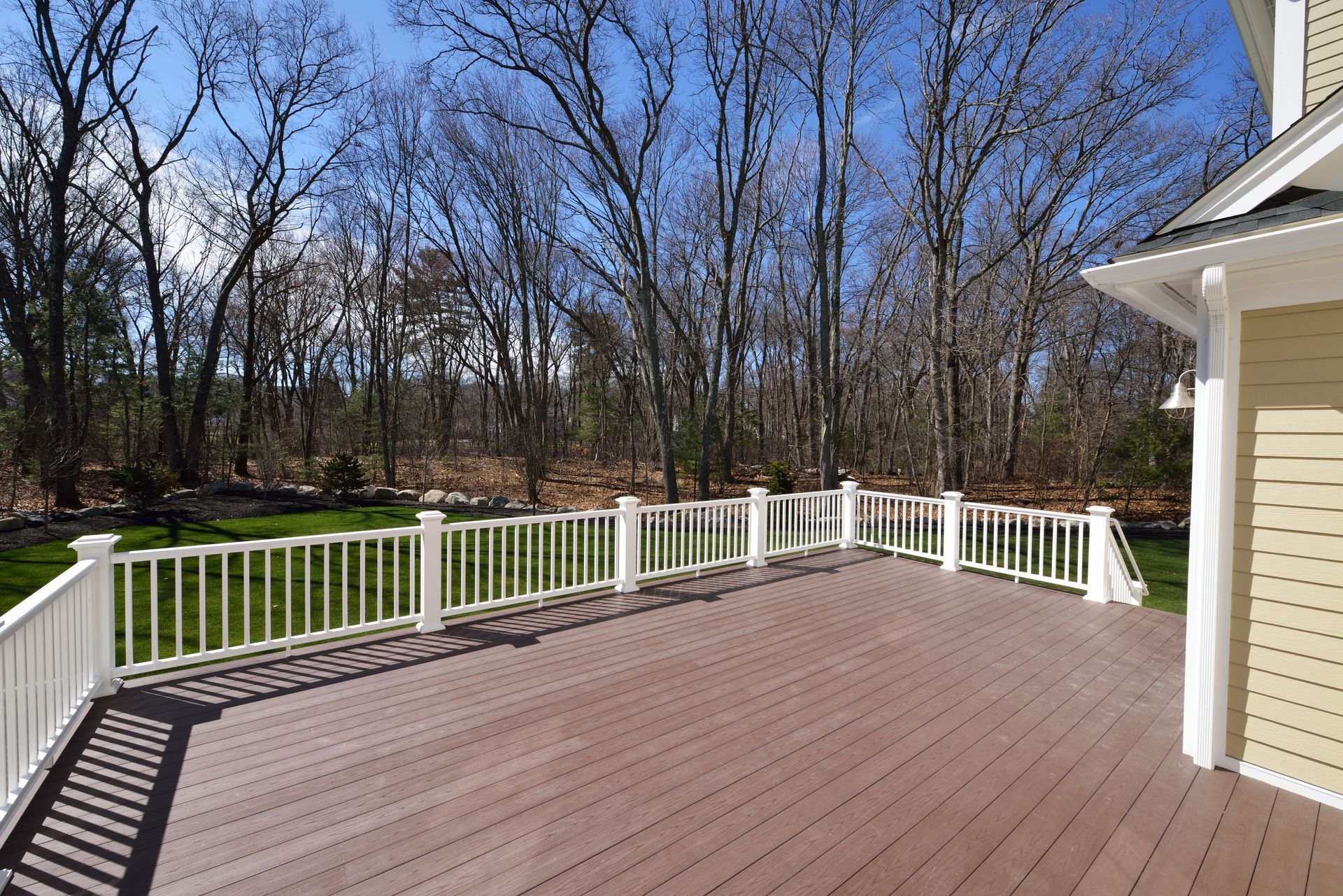
Composite decking offers homeowners a variety of design options, colors, and textures to match different architectural styles. Unlike wood, which can vary in quality and appearance, composite boards provide consistent color and grain patterns. This allows for creative designs, including multi-level decks, intricate patterns, and integrated features like handrails and planter boxes. Remodeling contractors can incorporate complementary materials such as specialty siding, soffit, fascia, and gutters to create cohesive outdoor aesthetics. Composite decks are available in finishes that closely mimic natural wood, providing visual appeal without the drawbacks of maintenance. The versatility of composite materials allows homeowners to design functional, elegant spaces that enhance the overall property value.
5. Maintenance Benefits of Composite Decking
Composite drastically reduces the time and effort required for maintenance compared to natural wood. Homeowners no longer need to sand, stain, or seal the boards to protect them from moisture, UV rays, or insects. Simple cleaning with soap and water is usually sufficient to maintain the deck’s appearance. This convenience allows more time for enjoyment rather than upkeep. Additionally, composite materials resist mold, mildew, and fading, maintaining their beauty over time. Certified installers ensure proper spacing, support, and drainage to prevent water damage and prolong the deck’s lifespan. Families can enjoy outdoor spaces year-round without worrying about structural deterioration or ongoing maintenance challenges.
6. Environmental Impact of Synthetic Decks
Composite often incorporates recycled materials, making it a more environmentally conscious choice compared to traditional wood. According to Forbes, synthetic decks currently account for approximately 17% of the decking industry, with the remaining market share made up of natural wood. Using recycled plastics and sustainably sourced wood fibers reduces the need for cutting down trees and minimizes waste. Homeowners can achieve long-lasting, durable decks while supporting sustainability initiatives. Professionals can recommend eco-friendly materials and installation techniques to further reduce environmental impact. Synthetic decks require fewer chemical treatments, such as preservatives and sealants, which can negatively affect the environment.
7. Safety and Comfort Considerations
Composite decking often provides a safer, more comfortable surface than natural wood. Engineered materials reduce the risk of splinters, cracks, and sharp edges, which can pose hazards, especially for children and pets. Additionally, composite boards often feature slip-resistant surfaces that enhance safety in wet conditions. Professional installation ensures that boards are evenly spaced and secure, further reducing accidents and injuries. Homeowners can choose decking colors and finishes that remain cooler in direct sunlight compared to some wood varieties. With these safety and comfort benefits, composite decks are ideal for families who prioritize both style and functionality.
8. Resale Value and Market Appeal
Investing in this type of decking can enhance the resale value of a home by providing a low-maintenance, durable, and attractive outdoor space. Modern buyers often prefer properties that require minimal upkeep while offering quality materials and functional design. Remodeling contractors can install decks that complement the home’s architecture and appeal to a broader range of potential buyers. Composite decks maintain their appearance and functionality over time, which adds long-term market appeal. A professionally installed deck can increase property value and create an inviting outdoor living area that stands out during property showings. By choosing synthetic materials, homeowners can combine aesthetics, convenience, and financial benefit.
9. Installation Considerations and Expertise
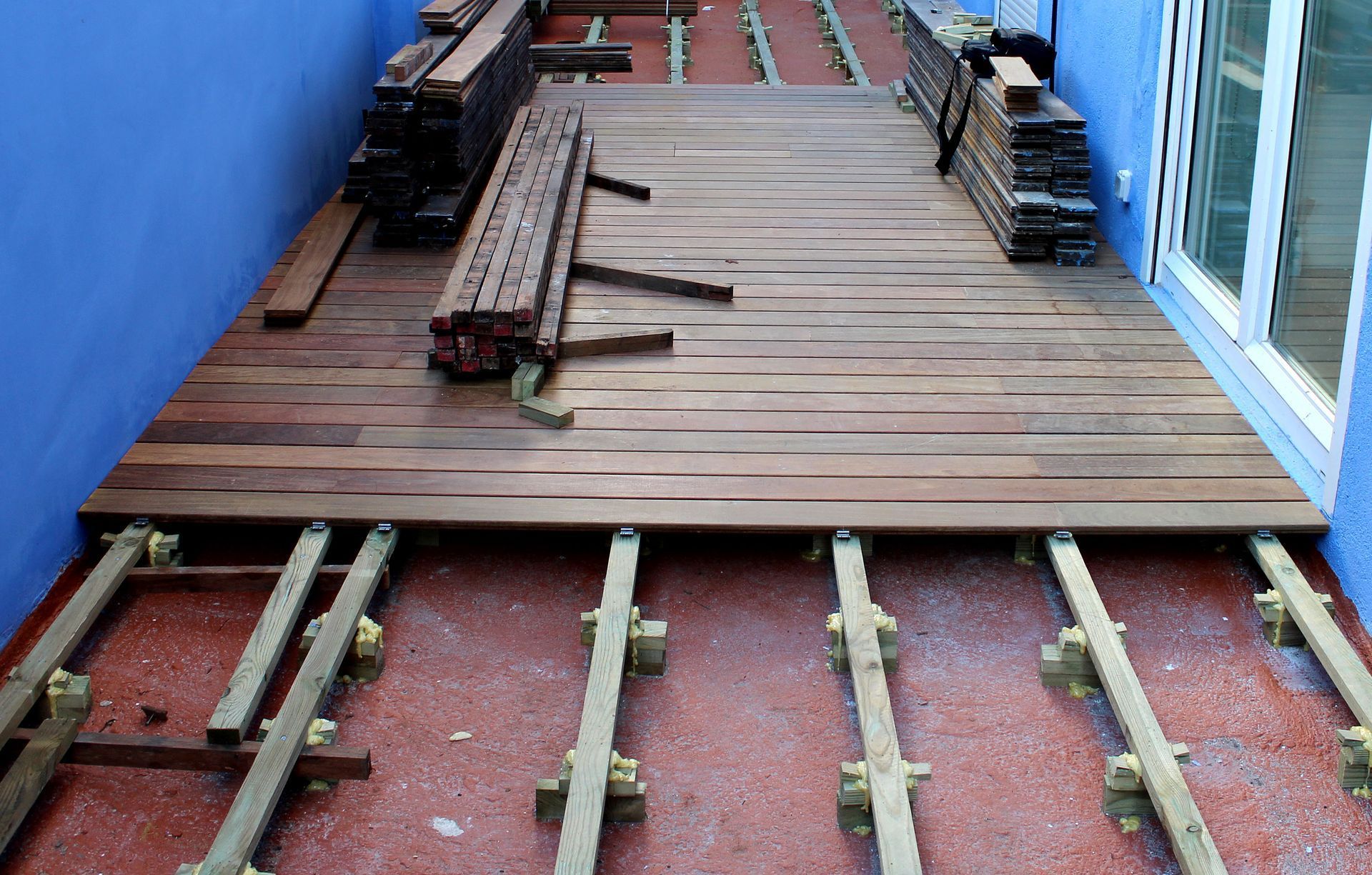
Proper installation is essential for the longevity and performance of composite decking. Certified professionals ensure that structural support, spacing, and alignment meet industry standards. Contractors can advise on the best types of boards, fasteners, and substructures for specific environments. Installation also includes attention to drainage, ventilation, and integration with other outdoor features such as handrails, sunrooms, and porch conversions. Expert installation reduces the likelihood of warping, sagging, or other structural issues over time. Experienced professionals provide guidance on finishing details and complementary materials, ensuring that the deck meets both aesthetic and functional expectations.
10. Future Trends in Decking Materials
The decking industry continues to evolve as homeowners demand durability, sustainability, and low-maintenance options. Composite decking is increasingly popular due to its ability to combine aesthetics, performance, and environmental benefits. Innovations in synthetic materials allow for realistic wood textures, color variety, and enhanced resistance to environmental stressors. Hardscaping professionals anticipate that the market share of synthetic decking will continue to grow as these materials improve and homeowner awareness increases. Integration with outdoor living features such as kitchens, fire pits, and sunrooms highlights the versatility of composite.
Composite decking offers a durable, low-maintenance, and environmentally friendly alternative to traditional wood decks, transforming outdoor living spaces into functional and visually appealing areas. Silvercreek Exteriors LLC provides comprehensive services, including siding, James Hardie, SmartSide, Everlast, vinyl, specialty applications, soffit, fascia, gutters, decks and sunrooms, composite decks, handrails, porch conversions, and builder/general contractor services. Their team ensures proper installation, handling of building permits, product and labor warranties, and financing options for residential and commercial projects. With certified and experienced professionals, homeowners can enjoy high-quality, long-lasting outdoor solutions that enhance property value and everyday enjoyment. By choosing expert installation and quality materials, synthetic decks become a smart investment for both present and future needs. For more information, contact us today!